Bottle Printing Machine Cost Guide
- Share
- publisher
- CooPrinter
- Issue Time
- Aug 27,2026
Summary
A practical 2026 bottle printing machine cost guide: compare prices by automation level, calculate ROI, and follow a 7-step buyer's checklist to pick equipment that fits your budget and volume.
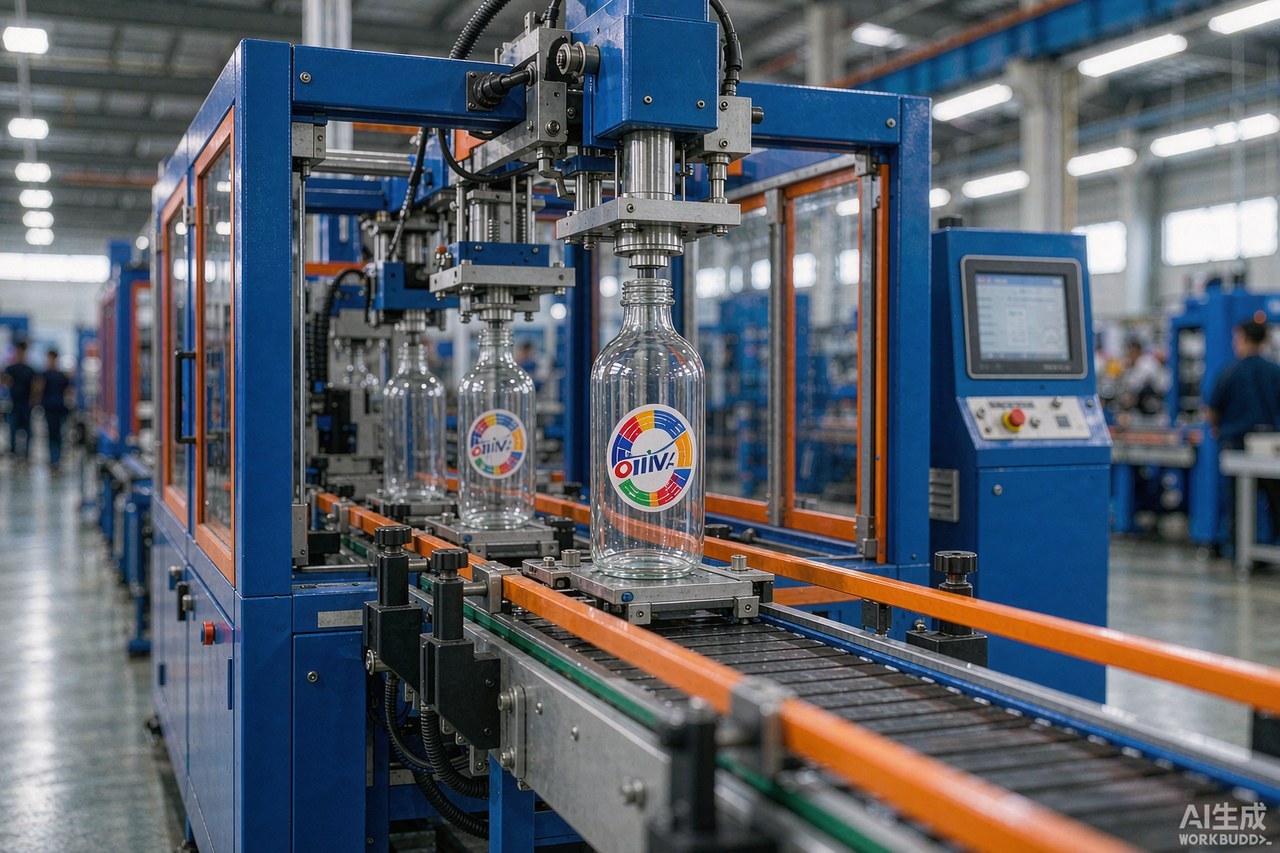
Buying a bottle printing machine is both a budget decision and a throughput decision. This guide breaks down what you actually pay for, which automation level fits your volume, and how to calculate payback before you commit.
What Drives Bottle Printing Machine Cost
A bottle printing machine decorates glass, plastic, and metal containers with logos, batch codes, and full-color graphics. The machine price is never a single number — it is a stack of choices. Automation level, color stations, print method, build quality, and after-sales support each move the total. Understand those levers and you can match spend to real production needs instead of over- or under-buying.
Bottle Printing Machine Price by Automation Level
The fastest way to frame cost is by automation. The table below shows typical 2026 market ranges for standard configurations — use them to benchmark quotes, not as a final price.
| Automation level | Typical output | Typical price range (USD) | Best for |
|---|---|---|---|
| Manual / benchtop | 200–800 pcs/hr | $1,500 – $5,000 | Startups, sampling, short runs |
| Semi-automatic | 800–2,500 pcs/hr | $5,000 – $15,000 | Small batches, mixed SKUs |
| Automatic single-color | 2,500–4,000 pcs/hr | $15,000 – $40,000 | Stable mid-volume lines |
| Automatic multi-color rotary | 4,000–8,000 pcs/hr | $40,000 – $120,000+ | High-volume, multi-color |
Figures are 2026 market reference ranges for standard configurations, not a quotation. Final pricing depends on color count, fixtures, and curing method.
Cost Drivers Beyond the Sticker Price
- Automation & speed: more stations and higher cycle rates raise price but cut labor per finished unit.
- Color count: each added print head and registration system adds cost; match it to your top SKUs.
- Print method & curing: UV screen, pad printing, and digital each carry different ink, lamp, and fixture costs.
- Tooling & fixtures: bottle shape, diameter, and neck size drive custom jig and mandrel cost.
- Build quality: servo-driven precision reduces scrap and protects long-term equipment value.
- Brand, training & warranty: global support and spare parts lower downtime risk — a hidden cost that outweighs small price gaps.
Manual vs Automatic: Where the Biggest Jump Is
Manual and semi-auto machines are cheap to buy and easy to retool for short runs. The real cost jump appears when you move to automatic multi-station lines: you pay more upfront but recover it through labor savings and consistent output at scale. If your monthly volume sits below roughly 50,000 bottles, a semi-automatic machine usually wins on total cost of ownership.
Printing Method and Curing
Most bottle decoration today runs on UV screen or pad printing. UV curing gives an instant, durable, food-safe finish and supports high-speed lines, but the lamp and chilled rollers add to the bill. Hot-stamp and digital options suit specific finishes and short runs. Pick the method that matches your artwork and substrate, not the one with the flashiest demo.
Calculating Return on Investment
Model cost per finished bottle. Take manual labor, reject rates, and any outsourced printing fees, then subtract the automated alternative. Most operations recover a quality bottle printing machine within 12 to 18 months through labor savings and in-house control — turning the machine price into a measurable asset.
Labor savings
Fewer operators per thousand bottles is where automatic lines pay for themselves fastest.
Scrap reduction
Servo registration cuts misprints, so you spend less on bottles, ink, and rework.
In-house control
Bringing printing internal removes vendor lead times and per-unit outsourcing fees.
Your 7-Step Bottle Printing Machine Buyer's Checklist
- Define monthly volume and your top recurring SKUs.
- Pick the automation level that matches that volume.
- List required colors and match the station count to them.
- Confirm the substrate range (glass, plastic, metal, diameters).
- Choose the print method and curing for your artwork.
- Verify support: training, spare parts, warranty, lead time.
- Run a live demo with your actual bottles before purchase.
Frequently Asked Questions
How much does a bottle printing machine cost in 2026?
Manual benchtop units start around $1,500–$5,000; semi-automatic $5,000–$15,000; automatic single-color $15,000–$40,000; and multi-color rotary lines $40,000–$120,000+. Final price depends on colors, fixtures, and curing.
Is a manual or automatic bottle printer better for a small business?
For under about 50,000 bottles per month with frequent changeovers, a semi-automatic machine usually wins on total cost of ownership. Automatic lines pay off at higher, steadier volumes.
What is the ROI period for a bottle printing machine?
Most operations recover the investment in 12–18 months through labor savings, lower scrap, and bringing printing in-house instead of outsourcing.
Can one machine print glass, plastic, and metal bottles?
Often yes, with the right fixtures and ink system, though each substrate may need different pads, screens, or curing. Confirm your full substrate range during a live demo.
Conclusion
A bottle printing machine is a strategic investment, not a line item. Weigh automation, color needs, build quality, and support against the machine price to secure equipment that pays for itself. CooPrinter pairs precision engineering with transparent pricing and worldwide service, making it a dependable partner for bringing bottle decoration in-house. Explore the full range to find the configuration that fits your budget and growth plan.