Glass Bottle Screen Printing Machine Buying Guide
- Share
- publisher
- CooPrinter
- Issue Time
- Aug 6,2026
Summary
Learn how to choose a glass bottle screen printing machine. Compare components, single vs multi-color printing, ink selection, and why CooPrinter delivers reliable equipment.
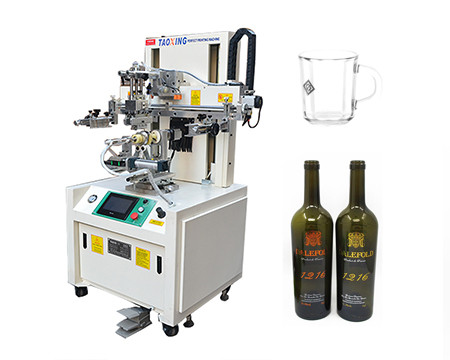
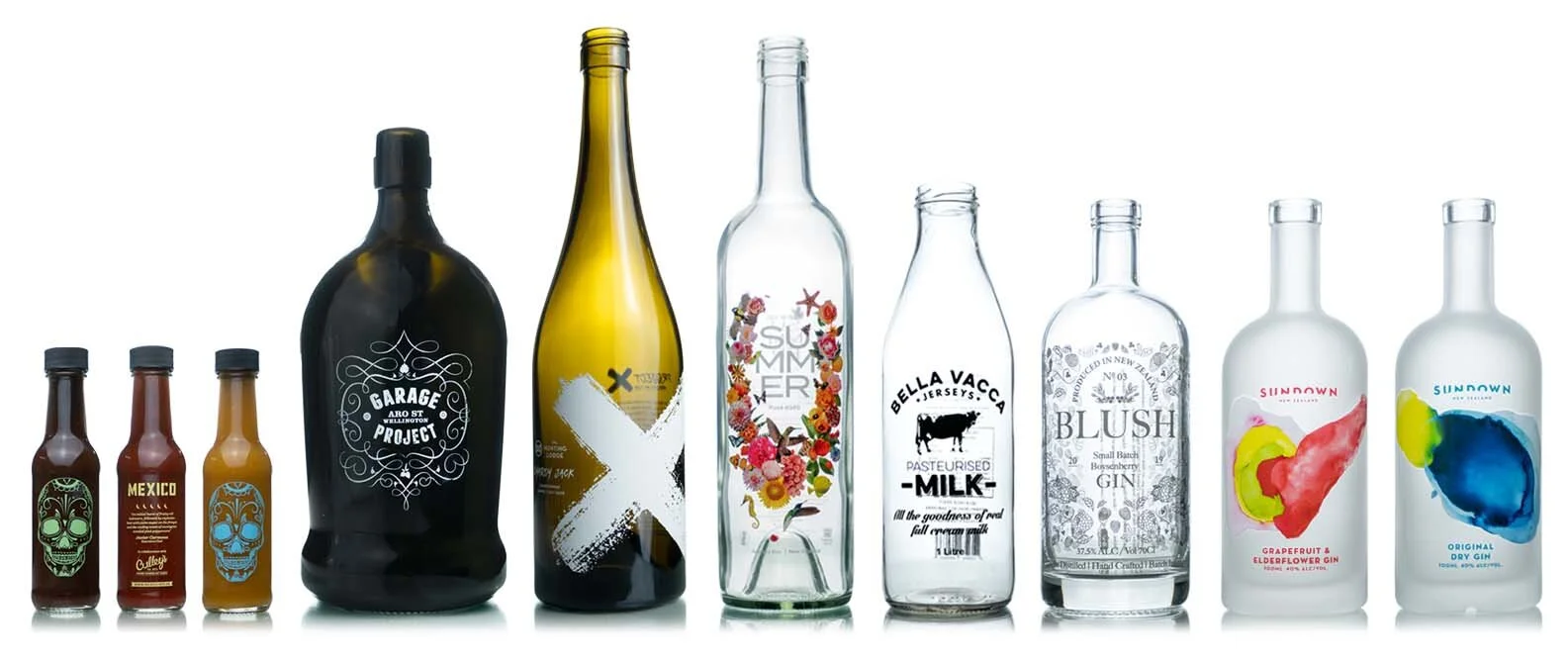
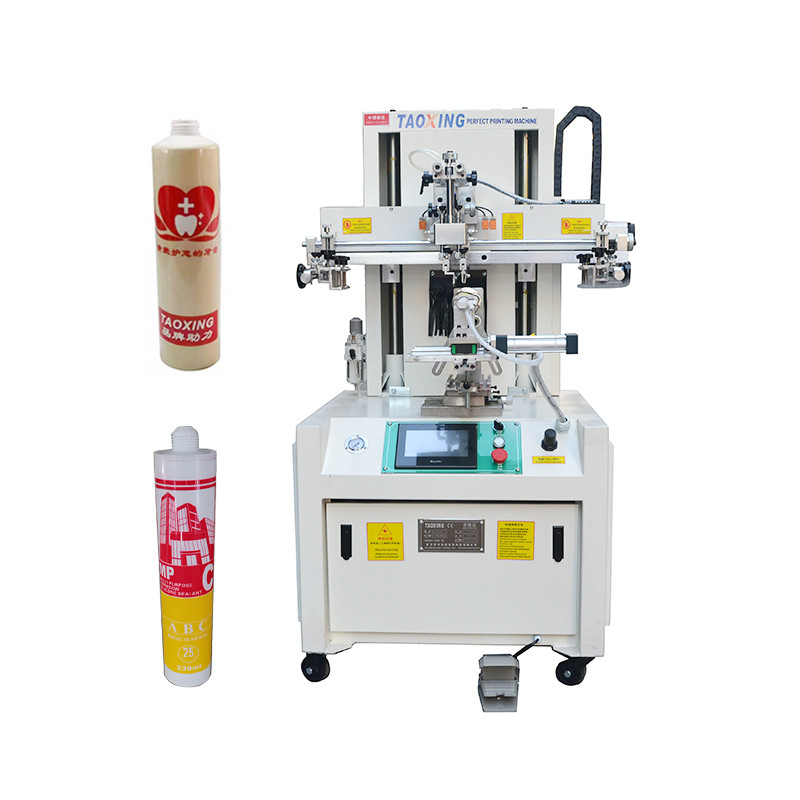
A glass bottle screen printing machine helps manufacturers decorate beverage, cosmetic, and pharmaceutical containers with durable, high-resolution graphics. As demand for premium packaging grows, more factories invest in automated decoration equipment. This guide explains what to look for before purchasing, so you can match the right machine to your production goals, budget, and product range. A glass bottle screen printing machine is a specialized device that transfers ink onto curved glass surfaces using a mesh stencil and a rotating fixture. Unlike flat printing, it wraps designs seamlessly around cylindrical bottles without distortion. The technology suits both short runs and high-volume production, delivering sharp logos, batch codes, and decorative patterns that resist scratching and washing. The process starts when an operator loads a bottle onto a mandrel that rotates it beneath a fixed screen. A squeegee then presses ink through the open mesh onto the spinning surface, laying down a continuous layer. After printing, the bottle moves to a curing station where UV light or heat dries the ink. The glass bottle screen printing machine ensures consistent coverage through precise synchronization between rotation and squeegee travel on every piece. When comparing machines, focus on the frame, servo drive, squeegee assembly, and control system. A rigid frame reduces vibration, while a high-quality servo motor maintains steady rotation speed for accurate registration. The squeegee holder should allow quick angle and pressure adjustments. A user-friendly touchscreen control panel simplifies job setup and reduces operator training time on the production floor. Single-color bottle printing meets basic labeling needs and costs less to operate. Multi-color configurations use multiple print stations with precise alignment, enabling gradient effects and full-color branding. If your products require complex artwork, choose a machine with automatic registration between stations. This prevents misalignment and keeps reject rates low across long production runs. Match the machine to your bottle shapes and diameters before buying. Adjustable mandrels handle varied sizes, while dedicated tooling suits fixed product lines. Consider throughput, changeover time, and available floor space. Reliable bottle printing depends on stable fixtures and consistent ink delivery, so request a sample run on your actual containers to verify quality before finalizing the purchase. Glass requires inks formulated for non-porous surfaces, typically UV-curable or ceramic types. Test adhesion, chemical resistance, and appearance under different lighting. A well-tuned glass bottle screen printing machine with stable fixtures makes process monitoring easier, helping you meet customer and regulatory standards with consistent curing temperature and dwell time. Request a printed sample on your actual glass bottles and run adhesion and wash tests before committing to a full production order. CooPrinter builds glass bottle screen printing machines engineered for stability and ease of use. Their models feature robust servo systems, quick-change tooling, and intuitive controls that shorten setup between jobs. With responsive technical support and customizable configurations, these systems help manufacturers scale bottle printing operations while keeping maintenance straightforward and downtime minimal. Selecting the right glass bottle screen printing machine requires balancing speed, print quality, and flexibility. Evaluate components, color capability, and curing methods against your real production needs. By partnering with a proven manufacturer like CooPrinter, you gain equipment and support that keep your decoration line efficient, consistent, and ready for future packaging demands.Introduction
What Is a Glass Bottle Screen Printing Machine?
How the Printing Process Works
Key Components to Evaluate
Single-Color vs Multi-Color Printing
Choosing the Right Bottle Printing Configuration
Quality Control and Ink Selection
Why CooPrinter Delivers Reliable Equipment
Conclusion