Screen printing is more than just T-shirts! Unveiling the screen printing process for electronic PCB.
- Share
- publisher
- CooPrinter
- Issue Time
- Sep 17,2026
Summary
This article breaks down the three core applications of screen printing in the electronics and PCB industries—solder mask, legend printing, and conductive silver paste—and provides key parameters such as high mesh counts, 1–2 mm off-contact distances, first-article alignment, and sheet resistance testing, helping you avoid pitfalls in mass production.
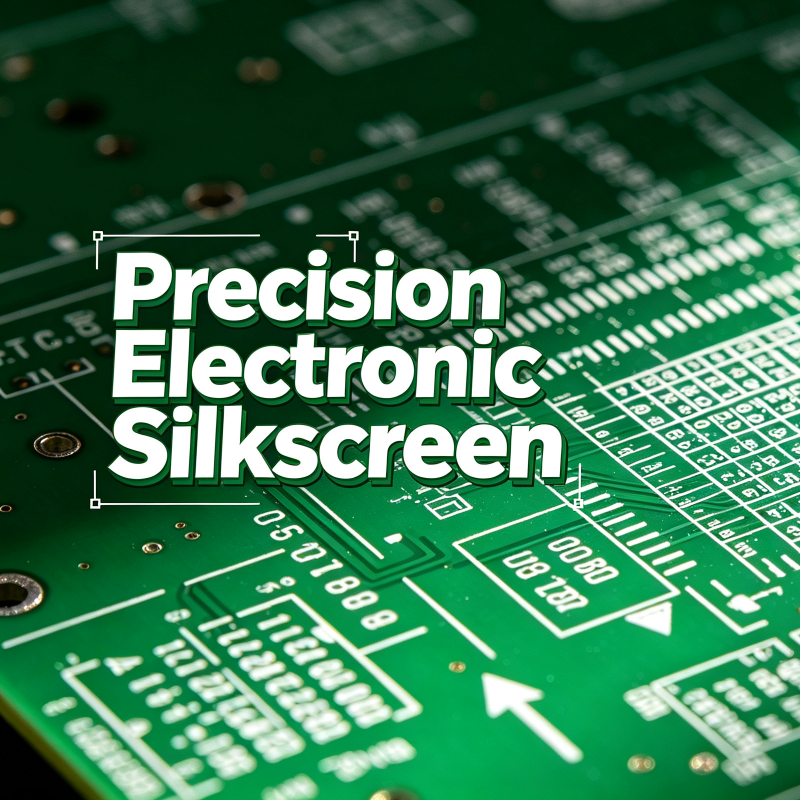
Screen printing is more than just T-shirts! Unveiling the screen printing process for electronic PCB.
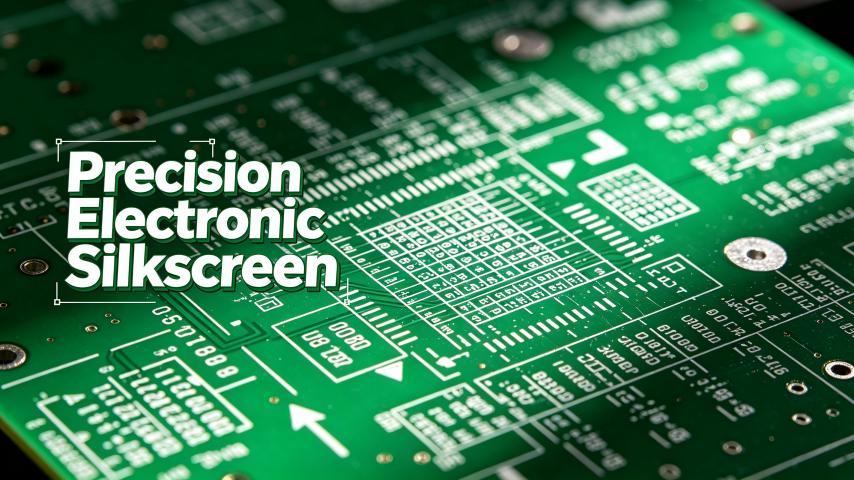
In the electronics industry, screen printing is called "precision screen printing," and it's not nearly as difficult as printing on clothing or packaging. When Taoxing screen printing machines receive orders from electronics clients, the three most common areas we encounter are PCB solder mask, character printing, and conductive paste printing.
First, let's talk about the solder mask (green oil). It covers the non-soldering area, leaving only the solder pads exposed. The difficulty lies in precision—the line width and spacing are often 0.1mm, the stencil must be made of high mesh ( 200-300 mesh) polyester, the squeegee must be 70-75 degrees hardness, and the mesh spacing must be pressed to 1-2mm , otherwise the thin wires are prone to breakage and short circuits.
Character printing (white and yellow text) looks simple, but it actually tests the alignment the most. The error is extremely small when stacking multi-layer PCBs. The first piece must be checked with alignment holes and a magnifying glass. Blurred characters or broken strokes indicate that the screen spacing or pressure is not adjusted properly.
The most demanding are conductive silver paste and carbon paste. To print stable resistors with these, the paste viscosity, scraping pressure, and curing temperature must all be perfect, and the sheet resistance must be measured after printing. Many beginners stumble on insufficient curing—it looks dry, but the resistance value fluctuates wildly when measured.
PCB screen printing is not about feel , but about standardized parameters: the stencil, paste, temperature, and pressure must all be locked in to prevent batch production failures.
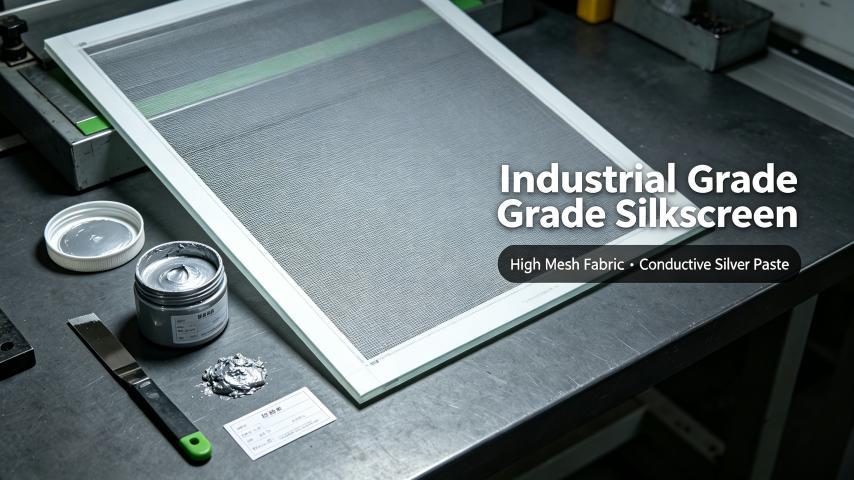
Practical tips
1. Apply solder resist using a high-mesh screen ( 200-300 mesh) and a 70-75 ° hard plastic scraper.
2. The mesh spacing should be reduced to 1-2mm to prevent thin wires from breaking or short-circuiting.
3. For the first piece of printed characters, use alignment holes and a magnifying glass to check alignment.
4. For conductive silver/carbon pastes, key control points include viscosity, scraping pressure, and curing temperature.
5. When measuring sheet resistance after printing the paste, don't just look at whether the surface is "dry".
6. Insufficient curing is the most common cause of failure in electronic screen printing. Follow the process curve.
7. The core of PCB silkscreen printing is parameter standardization, not the technician's feel.
#Screen printing #Screen printing machine #Printing process #Printing equipment #Screen printing tutorial #PCB screen printing #Electronic screen printing