What is thermal transfer printing and how does it differ from screen printing?
- Share
- Issue Time
- Jul 27,2026
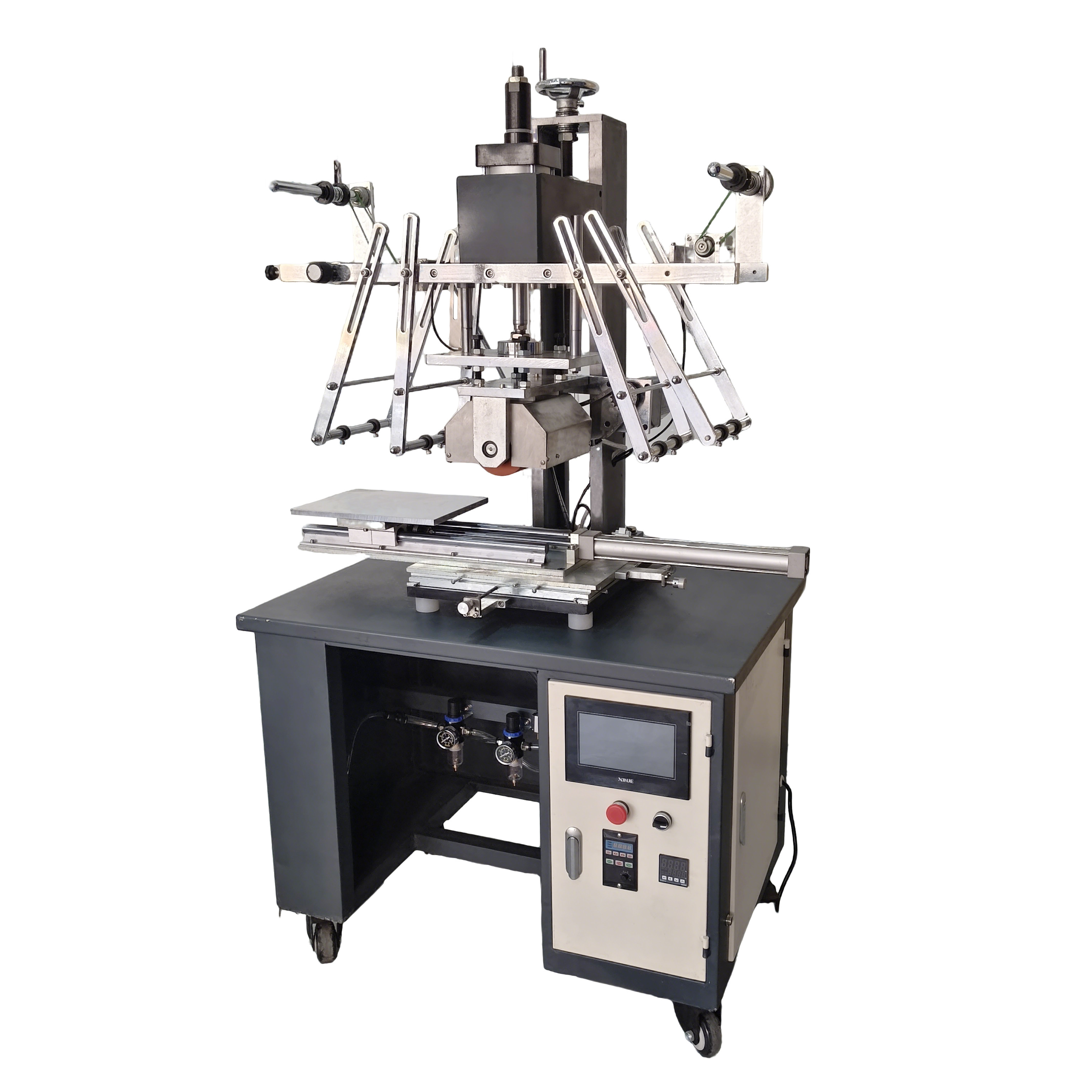
Thermal transfer printing uses a heated printhead to melt ink from a thermal transfer ribbon onto a substrate, creating images through direct heat contact. Screen printing forces ink through a mesh stencil using a squeegee. Screen printing produces thicker, more durable ink layers (10-30 microns) compared to thermal transfer (2-5 microns), making it preferred for industrial and high-durability applications. Ink deposition thickness is the most significant difference. Screen printing deposits 10-30 microns of ink per pass, creating vibrant, opaque prints that resist abrasion and chemicals. Thermal transfer typically deposits 2-5 microns, suitable for labels and barcodes but less durable in harsh environments. For industrial part marking and decorative printing, screen printing's thicker ink layer provides superior longevity. Production speed and automation differ significantly. Screen printing machines like CooPrinter's automatic series achieve 300-500 prints per hour for large-format items. Thermal transfer printers excel at high-speed small-format labeling, reaching 100-300 inches per minute. However, thermal transfer is limited to flat substrates, while screen printing handles flat, curved, and irregular surfaces. Cost structure also varies. Thermal transfer requires continuous ribbon consumption, making it cost-effective for small runs but expensive at volume. Screen printing has higher setup costs (screen preparation) but very low per-unit ink costs at scale. CooPrinter's automatic machines reduce ink waste by 30-50% compared to manual operations, further improving cost efficiency. With the global screen printing market reaching $7.44 billion in 2025, screen printing remains the dominant choice for industrial and decorative applications. Screen printing: 10-30 microns. Thermal transfer: 2-5 microns. Screen wins on durability. Screen printing handles flat, curved, and irregular surfaces. Thermal transfer: flat only. Screen printing has lower per-unit cost at volume. Thermal transfer is better for small runs.Detailed Explanation
Key Points
Ink Thickness
Substrate Versatility
Cost at Scale
Related Questions
Get a Free Quote