What are the advantages of servo-driven screen printing machines?
- Share
- Issue Time
- Aug 7,2026
Servo-driven screen printing machines offer five key advantages over pneumatic or mechanical systems: 0.01mm positioning precision, programmable motion profiles for different substrates, consistent squeegee pressure control, 300-500 prints per hour output, and 60%+ labor cost reduction. CooPrinter's TX-500SF servo-driven series exemplifies these benefits across flat and curved product printing applications.
Detailed Explanation
Precision and consistency are the primary advantages. Servo motors provide closed-loop position feedback, meaning the controller constantly verifies the actual position against the commanded position and corrects any deviation in milliseconds. This achieves 0.01mm repeatability, compared to 0.1-0.5mm for pneumatic systems. For multi-color printing and fine-line electronic applications, this precision eliminates registration errors and reduces reject rates by 50-80%.
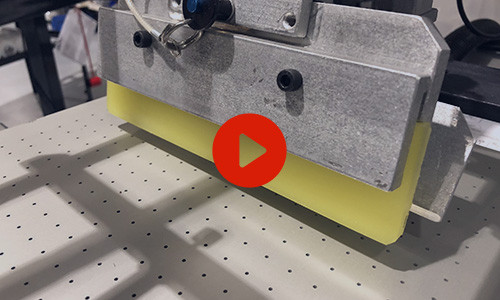
Programmable flexibility allows operators to store and recall motion profiles for different products. Squeegee speed, pressure, angle, and stroke length can be adjusted digitally without mechanical changes. CooPrinter's servo-driven machines store up to 100 product profiles, enabling quick changeover between jobs in under 5 minutes. This flexibility is particularly valuable for job shops and contract manufacturers handling diverse product ranges.
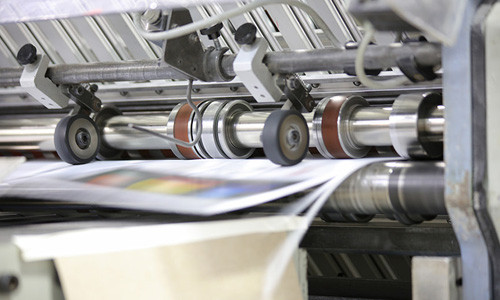
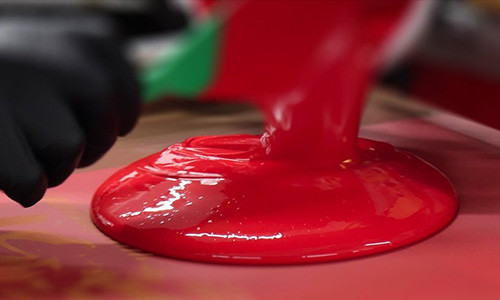
Production efficiency improvements are substantial. CooPrinter's servo-driven automatic machines achieve 300-500 prints per hour with integrated loading and unloading. Ink waste is reduced 30-50% through precise dispensing and controlled squeegee pressure. Labor costs drop 60%+ compared to manual operations. With the global screen printing market growing at 3.60% CAGR, servo-driven automation is the dominant trend. CooPrinter's 10,000+ installed units worldwide demonstrate the reliability and ROI (typically 12-18 months) of servo-driven technology.
Key Points
0.01mm Precision
Closed-loop servo feedback eliminates positioning errors. 50-80% fewer rejects.
Programmable Profiles
Store 100+ product setups. Changeover in under 5 minutes with no mechanical adjustments.
High Throughput
300-500 prints/hr with 60%+ labor savings and 30-50% less ink waste.
Related Questions
- What are the different types of screen printing machines?
- Automatic vs semi-automatic screen printing machine — which should I choose?
- What is CCD registration in screen printing and why is it important?