Automatic screen printing machine: a modern innovation of traditional technology
- Share
- Issue Time
- Jan 28,2026
Summary
Automated screen printing machines are driving transformation in manufacturing, enhancing printing efficiency and precision, and creating new possibilities for multiple industries. This article will explore their technological advantages, applicable industries, process details, maintenance key points, and future trends.
I.Modern Advantages of Automated Screen Printing
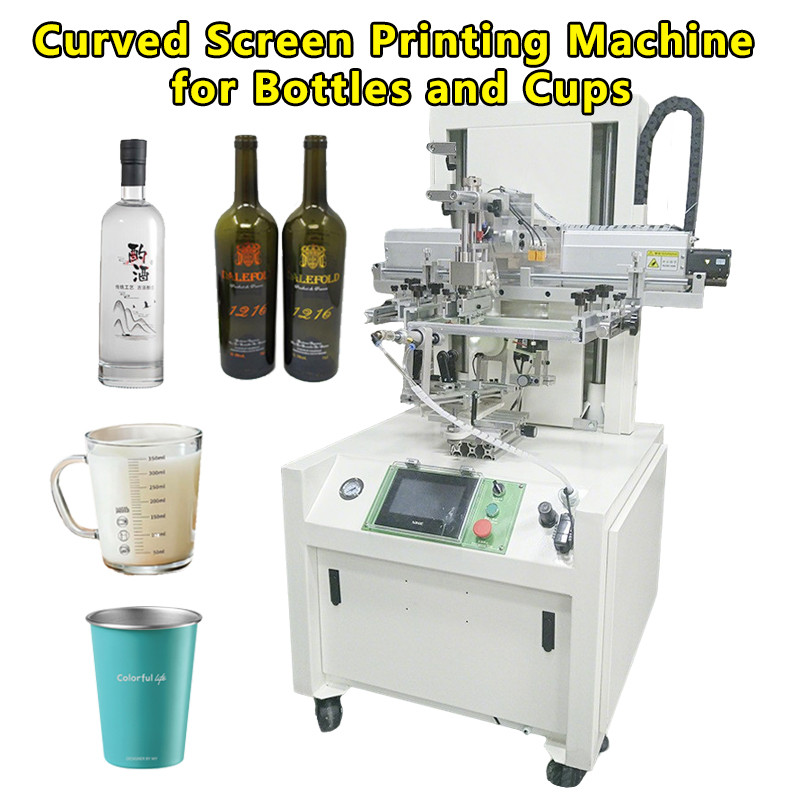
Automatic and semi-automatic screen printing machines, through their precision control systems, achieve a level of consistency, speed, and accuracy that is difficult to attain with traditional manual printing. Fully automatic models can complete the entire process from feeding, positioning, printing to drying, reducing manual intervention; semi-automatic models retain room for flexible manual control at key stages. This flexible configuration allows companies to balance efficiency and cost according to production needs.
II.Applicable Industries and Application Prospects
Automated screen printing technology is bringing significant value enhancements to multiple fields:
In the electronics industry, the high-precision printing needs of precision circuit boards, membrane switches, touch screens, etc. are met, and micron-level positioning ensures the reliability of functional printing.
Packaging and Labeling Industry: Whether it's complex patterns on food packaging or special effects printing on luxury goods, automated equipment can achieve stable mass production.
Textile and fashion industry: Printing patterns on T-shirts, sportswear, and home textiles enables rapid plate changes and color consistency, supporting small-batch customized production.
The printing needs of special materials such as conductive lines for solar cells and markings on car dashboards in the new energy and automotive industries have been met.
Creative and personalized products: Semi-automated equipment enables small studios to offer high-quality customized products such as art prints and souvenirs.
In the future, with the integration of IoT and AI technologies, screen printing machines will become more intelligent—monitoring printing quality in real time, automatically adjusting parameters, predicting maintenance needs, and even enabling collaborative production across factories.
III.Process details and quality control
The core technologies of modern automated screen printing machines include:
Precision alignment system: Employing visual recognition and servo control, it achieves a repeatability accuracy of ±0.01mm.
Intelligent doctor blade control: Programmable adjustment of pressure and angle to adapt to different ink properties.
Drying system integration: UV curing or infrared drying is synchronized with the printing process, improving production efficiency.
Data-driven management: Printing parameters for each batch can be stored and retrieved, ensuring product consistency.
IV.Key points for equipment maintenance and upkeep
To ensure long-term stable operation of the equipment, the following maintenance plan is recommended:
Routine maintenance:
After finishing the work, thoroughly clean the screen, doctor blade, and ink tank.
Check the pneumatic system filter to remove moisture and impurities.
Clean the guide rails and transmission components, and add an appropriate amount of lubricating oil.
Weekly check:
Calibrate the positioning accuracy and mechanical zero point of each axis.
Check the airtightness of the vacuum adsorption system
Testing the sensitivity of safety protection devices
Quarterly maintenance:
Replace aging air pipes and seals
Check electrical connections and grounding.
Professional calibration of vision alignment system
Annual overhaul:
A comprehensive inspection of the servo motor and transmission mechanism.
Update control system software and security patches
In-depth testing conducted by the manufacturer's professional engineers
Establishing preventative maintenance records, documenting details of each maintenance session and component replacements, can significantly extend the lifespan of equipment.
Conclusion.
Automatic and semi-automatic screen printing machines are becoming a vital bridge connecting traditional craftsmanship with modern manufacturing. They not only elevate the overall technological level of the printing industry but also provide more possibilities for product innovation. With increasing levels of automation, these machines will help more industries achieve high-quality, personalized, and environmentally friendly production methods. For businesses, investing in automated printing technology is not only about improving production efficiency but also a strategic move towards future competitiveness. In an era of digitalization and personalization, automated screen printing will continue to evolve into a more intelligent, flexible, and sustainable manufacturing solution.
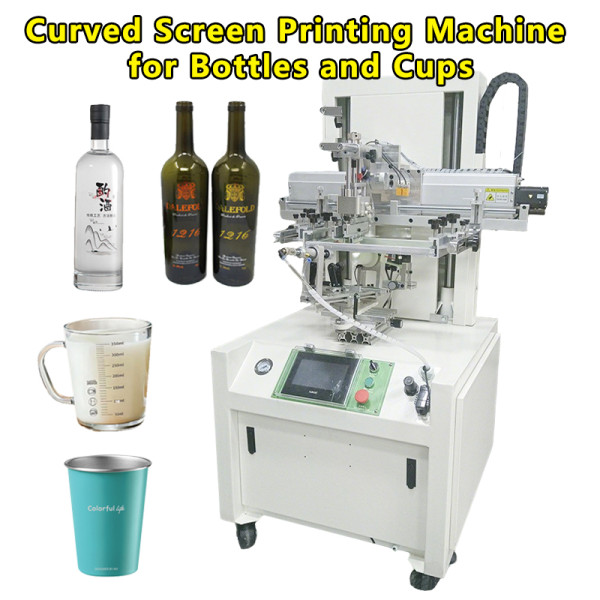
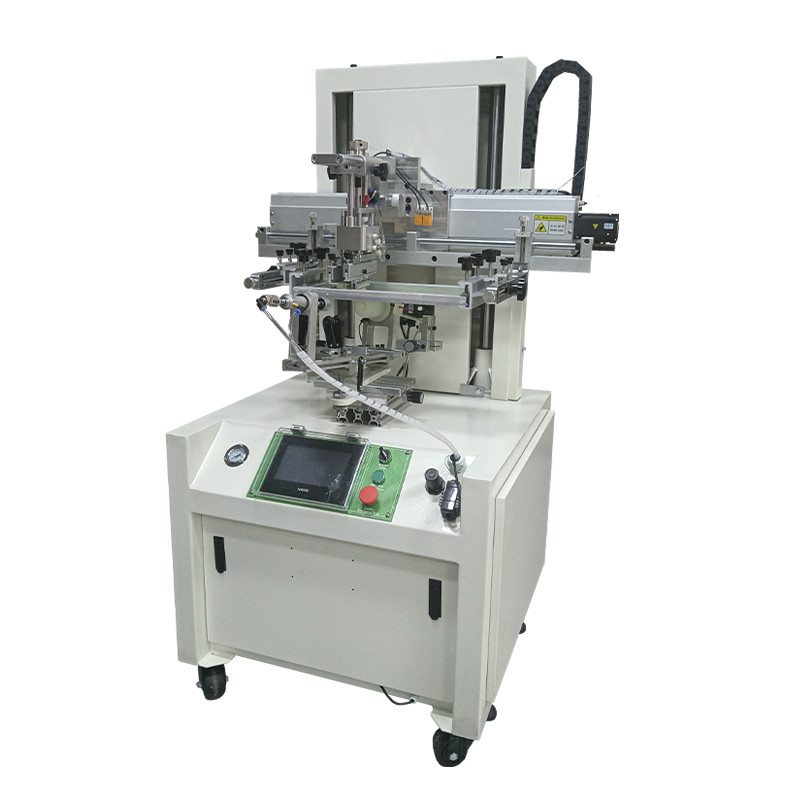
This servo curved screen printing machine is suitable for surface pattern printing of various round products.
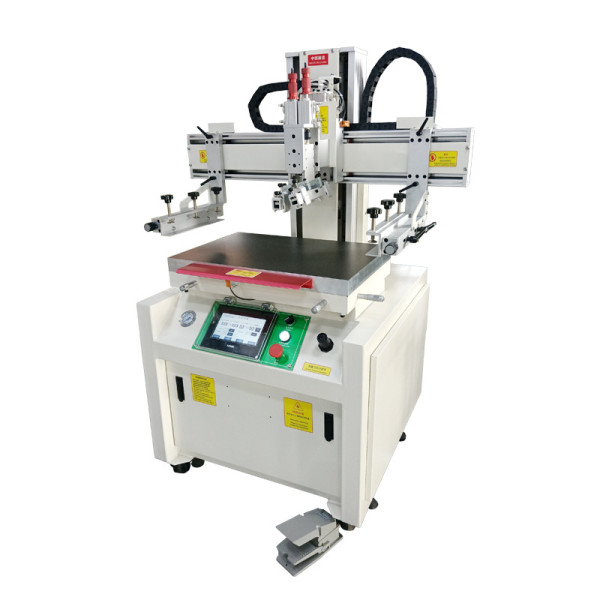
It is suitable for screen printing of permanent magnets, electronic panels PCB boards and other products.
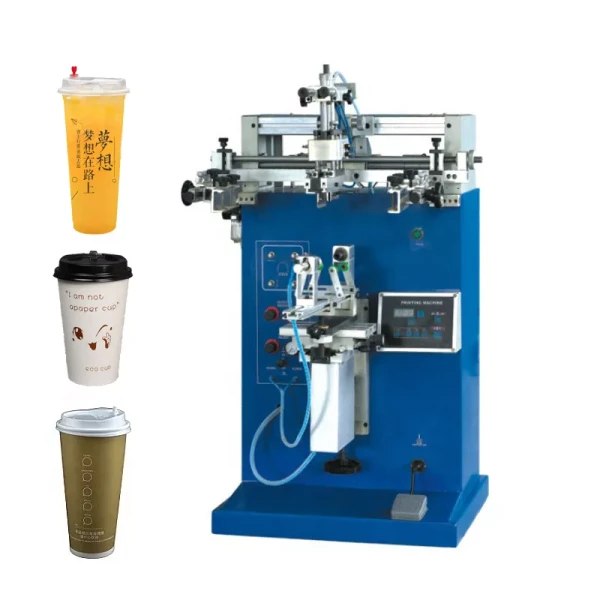
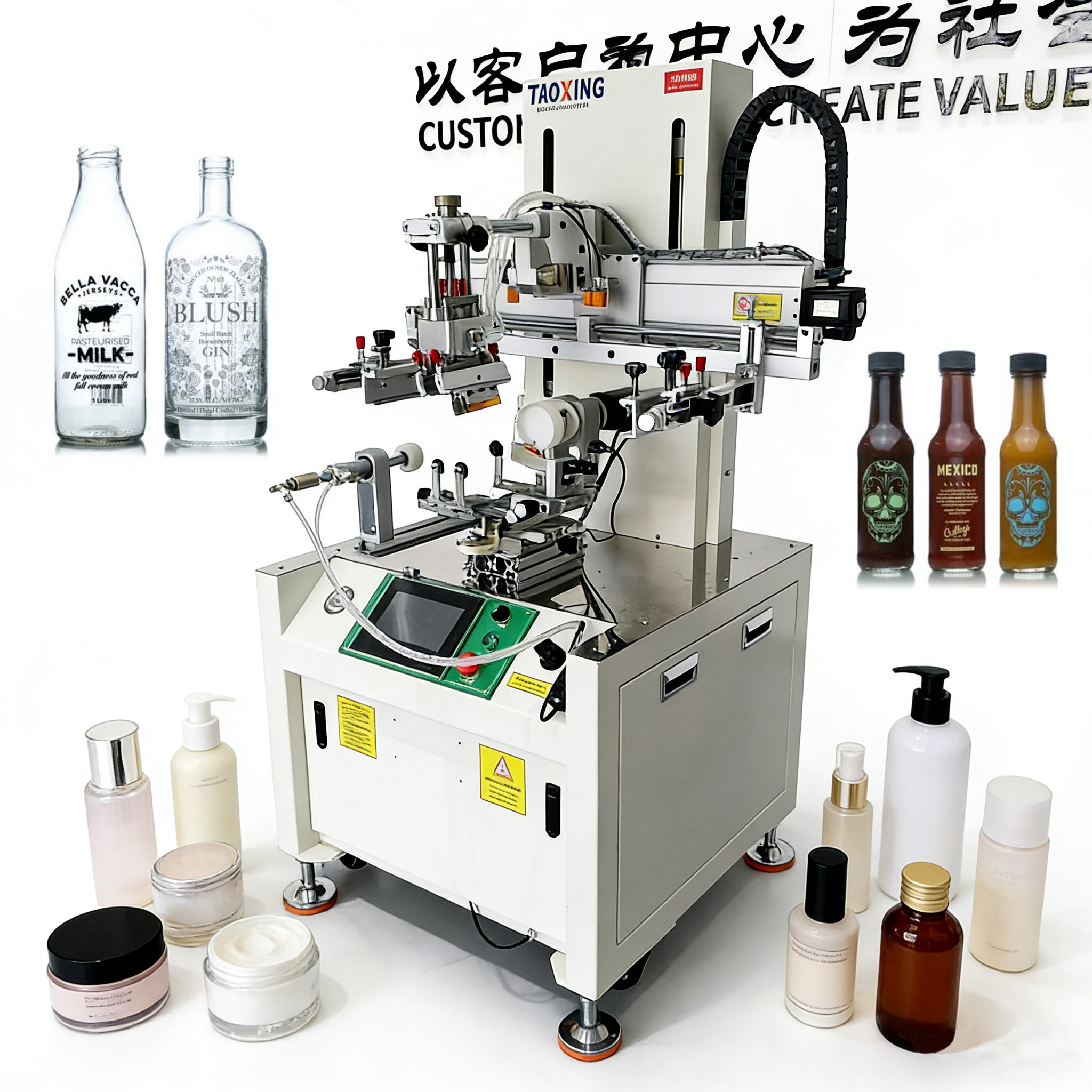
Semi-automatic cylindrical printing machine is suitable for surface printing on cylindrical objects and oval , such as syringe barrel, glass bottle, blow molded bottles, cosmetic tubes, aluminum water bottles, drum sticks, glass pipettes, gas cylinder, milk tea cups, jars etc.
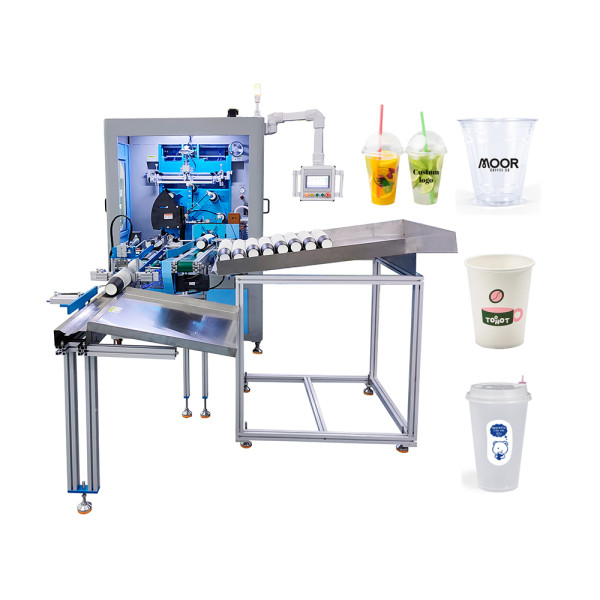
The fully automatic vertical rotary curved surface screen printing machine is a new type of curved surface printing machine, mainly suitable for printing on various cups, bottles and curved surface products. This machine uses a material storage bin for material preparation, online stacking, spiral automatic decomposition feeding, high-precision sensor positioning, electronic cam full-linkage high-speed printing, and a matching instant-drying system for curing