Custom Silkscreen Printing for Consumer Product Bottles: The Integration of Technology and Innovation
- Share
- Issue Time
- Dec 26,2025
Summary
Screen printing technology, with its strong adhesion and rich colors, has become the mainstream process for decorating the surfaces of daily necessities bottles. Through the integration of precision plate making, automated equipment, and environmentally friendly inks, it achieves efficient and high-quality printing, and drives the development of intelligent packaging.
I. Overview of screen printing technology
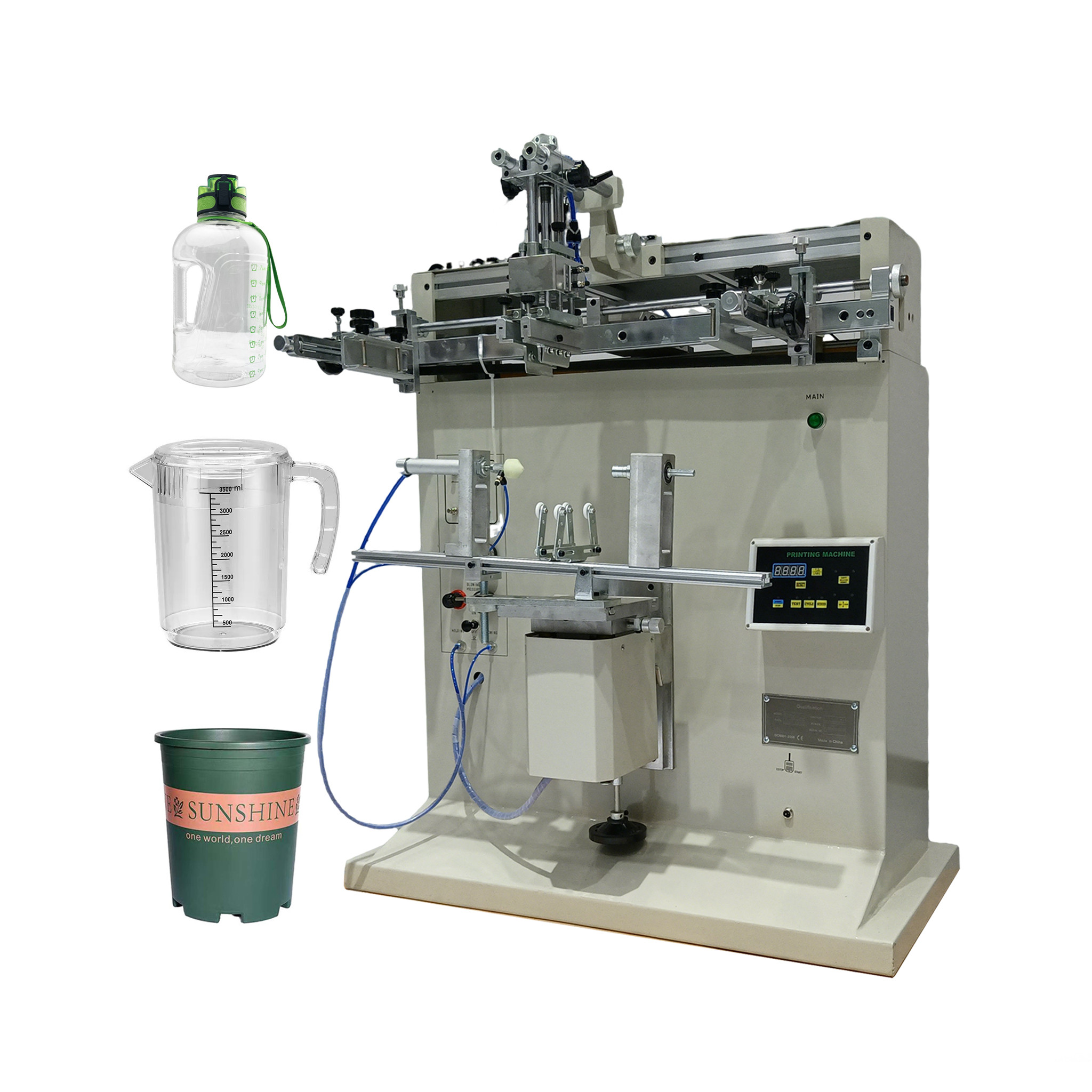
Screen printing is a stencil printing technique that uses a squeegee to force ink through a screen printing plate onto the substrate. In the custom bottle and can industry, this technology has become the mainstream process for decorating the surfaces of plastic (PET, HDPE), glass, and metal containers due to its strong adhesion, excellent color saturation, and superior weather resistance. Its core lies in utilizing the permeability of the screen printing plate to achieve precise ink transfer.
II. Pre-treatment process for bottle printing
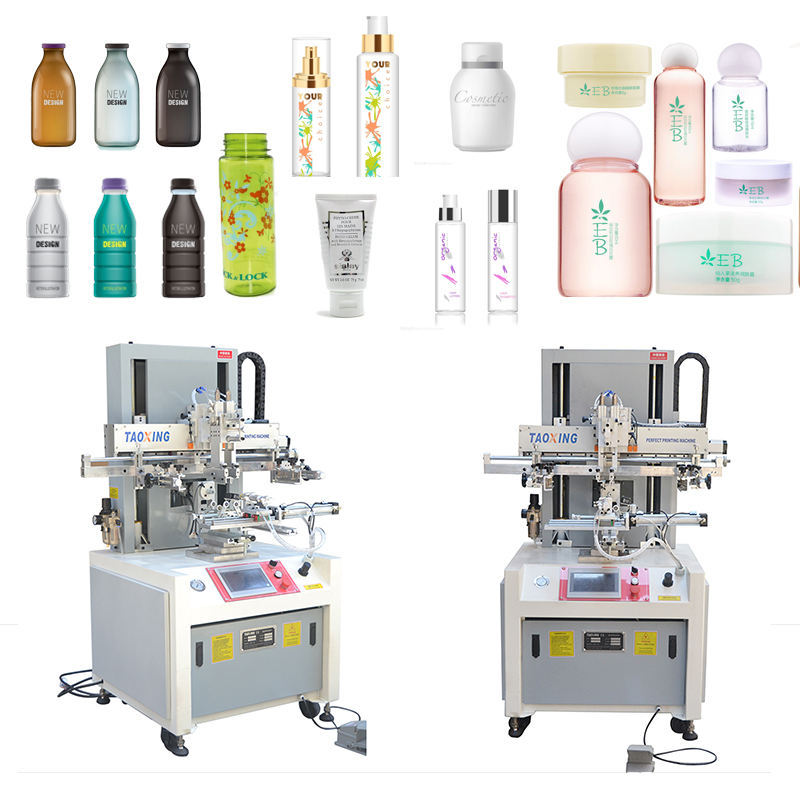
Surface treatment of the substrate is a crucial step in determining print quality. Plastic bottles often require corona treatment, which uses high-voltage discharge to raise the surface dyne value to above 38 mN/m to enhance ink adhesion. Glass bottles and jars undergo high-temperature sintering, cleaning, and primer treatment, using specialized glass enamels to ensure the printed layer is resistant to hydrolysis. Metal cans typically undergo phosphate passivation treatment to create a micro-roughened surface, promoting mechanical ink adhesion.
III. Precision screen printing technology
Modern screen printing uses high-tensile polyester or stainless steel mesh, with the mesh count selected based on printing precision (typically 120-400 mesh). Through direct photosensitive plate-making, the design pattern is transformed into a screen with precise openings. The use of angled stretching technology effectively reduces moiré patterns, while the development of three-dimensional curved screens further controls dot gain within ±5% for printing on irregularly shaped bottles.
IV.Evolution of Automated Printing Equipment
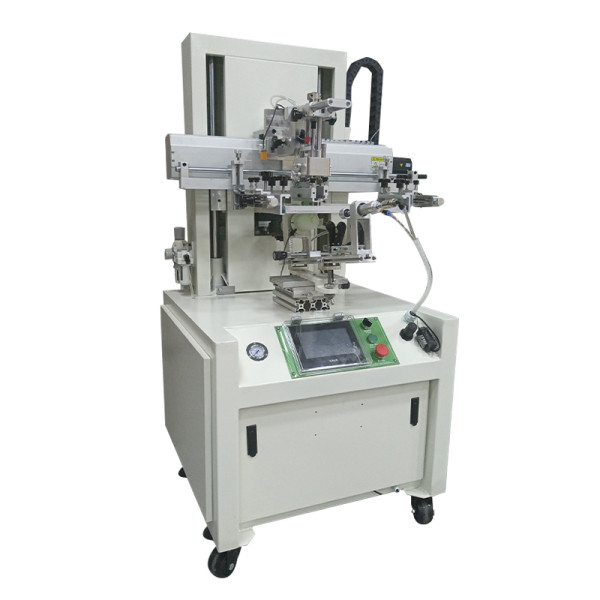
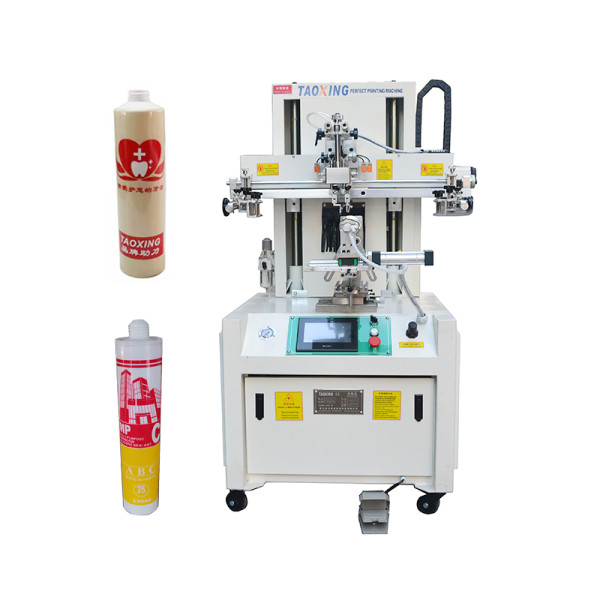
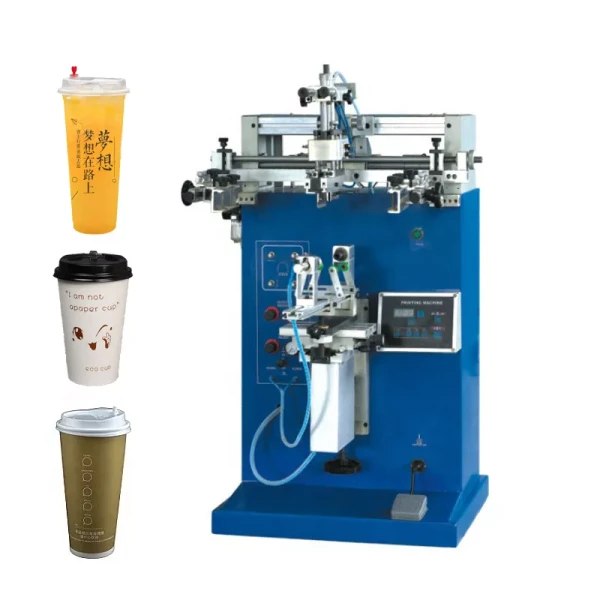
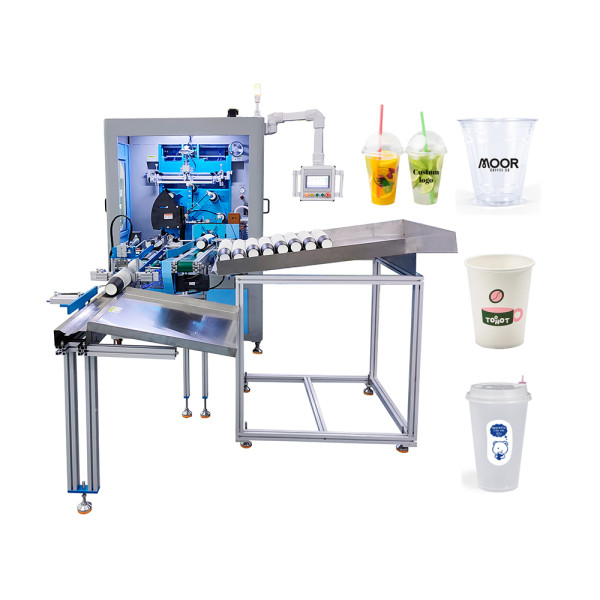
Modern bottle and jar screen printing machines integrate a six-axis robotic gripper system, infrared positioning sensors, and a UV curing module. The printing unit uses a servo motor-driven squeegee system to ensure stable printing pressure within the range of 0.3-0.5 MPa. Secondary printing positioning technology achieves ±0.1mm registration accuracy through CCD vision inspection, while a constant temperature and humidity ink control system ensures batch-to-batch color consistency.
V.Environmentally friendly inks and curing innovation
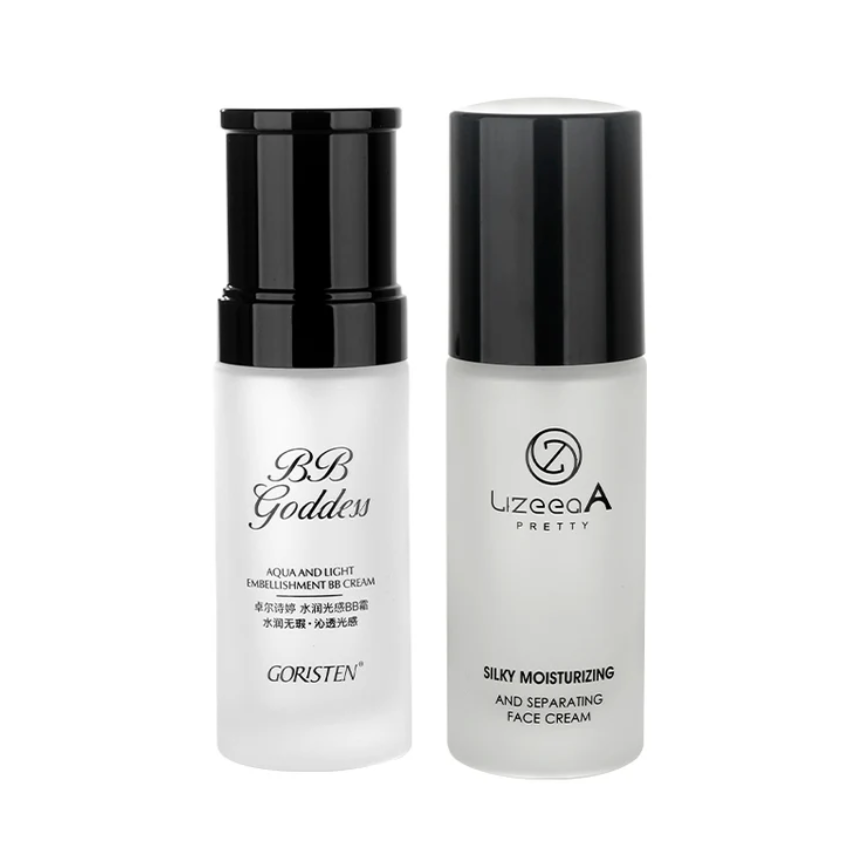
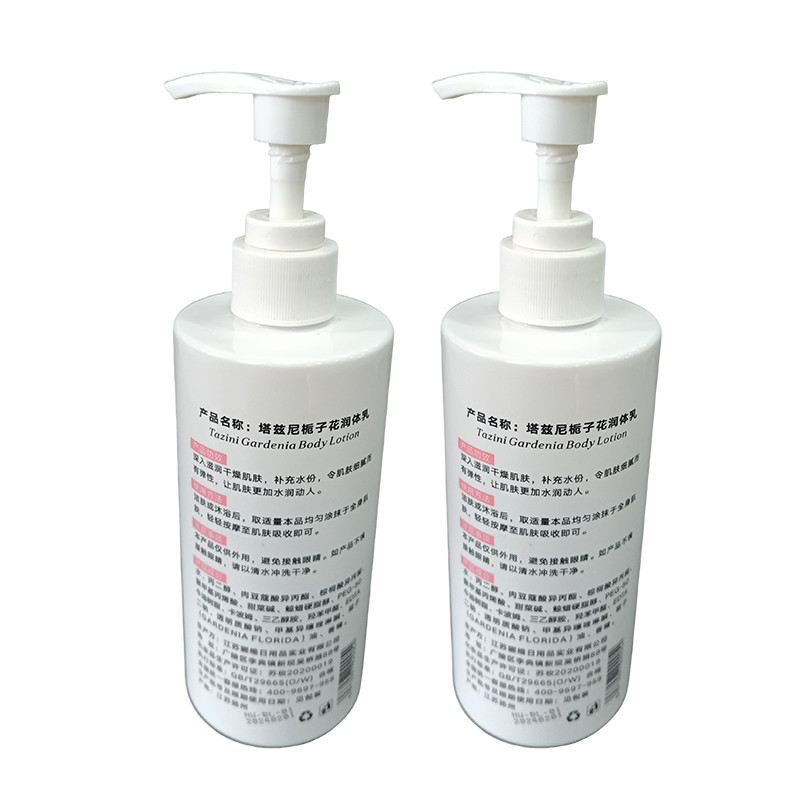
Water-based inks and UV-curable inks have become industry standards. UV-LED curing technology can achieve instant curing in the 365-395nm wavelength range, reducing energy consumption by 70% compared to traditional mercury lamps. The latest curing system uses a UV curing mechanism, enabling the printed layer to possess both immediate mechanical strength and complete a deep cross-linking reaction within 48 hours, significantly improving scratch resistance.
VI.Quality Control and Future Trends
An online spectral analyzer is used to monitor color difference in real time, and a coating thickness gauge is used to ensure that the ink layer thickness is maintained at 15-25μm. With the advancement of Industry 4.0, digital twin technology is beginning to be applied to printing process simulation, while conductive ink printing enables bottles and cans to have RFID functionality. From personalized customization to smart packaging, screen printing technology continues to push the boundaries of innovation in everyday consumer goods packaging.